
Thank you for your submission for the Early wound morbidity and clinical outcomes associated with P4HB mesh compared to permanent synthetic mesh in umbilical and small to medium, routine ventral hernia repairs study download.

Pellentesque habitant morbi tristique senectus et netus et malesuada fames ac turpis egestas vestibulum tortor quam.
Reliable response.
Proven performance.
Bioresorbable Phasix™ Mesh provides long-term strength2 and enables positive clinical outcomes for a less complicated future.3,4
Learn more
Video title here



Store Tab
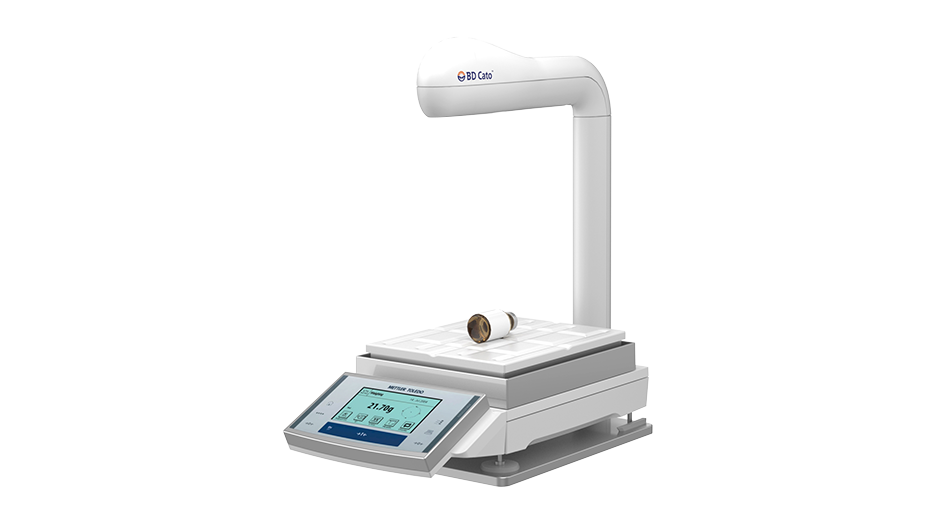

360° rotation knob is effectively sized, contoured and located to enable easy instrument rotation.
360° rotation knob is effectively sized
360° rotation knob is effectively sized
360° rotation knob is effectively sized

Hospitals and healthcare facilities
BD is a market leader in hospital products that can reduce the incidence of sharps injuries and exposure to bloodborne pathogens. Patient safety has been a focus of BD innovation for years, not only in the United States but also around the world. Working closely with organizations like the International Safety Center (EPINet) is an important part of our efforts to keep patients and workers safe.
Safety syringes and needles >>
Hazardous drug safety >>
Infection prevention >>
Hospitals and healthcare facilities
BD is a market leader in hospital products that can reduce the incidence of sharps injuries and exposure to bloodborne pathogens. Patient safety has been a focus of BD innovation for years, not only in the United States but also around the world. Working closely with organizations like the International Safety Center (EPINet) is an important part of our efforts to keep patients and workers safe.
Safety syringes and needles >>
Hazardous drug safety >>
Infection prevention >>
Ibus exped et ape
Pellentesque habitant morbi tristique senectus et netus et malesuada fames ac turpis egestas vestibulum tortor quam.
Phasix
Indications. Phasix™ Mesh is indicated to reinforce soft tissue where weakness exists in patients undergoing plastic and reconstructive surgery, or for use in procedures involving soft tissue repair, such as the repair of hernia or other fascial defects that require the addition of a reinforcing or bridging material to obtain the desired surgical result. Contraindications. Because Phasix™ Mesh is fully resorbable, it should not be used in repairs where permanent wound or organ support from the mesh is required. Warnings. 1. Phasix™ Mesh must not be put in direct contact with the bowel or viscera. 2. The use of any mesh or patch in a contaminated or infected wound can lead to fistula formation and/or extrusion of the mesh. 3. Mesh manufacture involves exposure to tetracycline hydrochloride and kanamycin sulfate. The safety and product use for patients with hypersensitivities to these antibiotics is unknown. The use of this mesh in susceptible patients with known allergies to tetracycline hydrochloride or kanamycin sulfate should be avoided. 4. The safety and effectiveness of Phasix™ Mesh in the following applications has not been evaluated or established: a. Pregnant or breastfeeding women b. Pediatric use c. Neural and cardiovascular tissue 5. If an infection develops, treat the infection aggressively. Consideration should be given regarding the need to remove the mesh. An unresolved infection may require the removal of the mesh. 6. To prevent recurrences when repairing hernias, the mesh should be sized with appropriate overlap for the size and location of the defect, taking into consideration any additional clinical factors applicable to the patient. Careful attention to mesh fixation placement and spacing will help prevent excessive tension or gap formation between the mesh and fascial tissue. 7. The mesh is supplied sterile. Prior to use, carefully examine package and product to verify neither is damaged and that all seals are intact. Do not use if the foil pouch or package is damaged or open, or if the center of the temperature indicator on the foil pouch is black. 8. This mesh has been designed for single use only. Reuse, reprocessing, resterilization, or repackaging may compromise the structural integrity and/or essential material and design characteristics that are critical to the overall performance of the mesh and may lead to mesh failure which may result in injury to the patient. Reuse, reprocessing, resterilization, or repackaging may also create a risk of contamination of the mesh and/or cause patient infection or cross infection, including, but not limited to, the transmission of infectious diseases from one patient to another. Contamination of the mesh may lead to injury, illness, or death of the patient or end user. 9. If unused Phasix™ Mesh has been in contact with instruments or supplies used on a patient or contaminated with body fluids, handle and dispose of in accordance with accepted medical practice and applicable local, state, and federal laws and regulations to prevent risk of transmission of viral infections. 10. This mesh is not for the use of repair of pelvic organ prolapse via transvaginal approach. 11. This mesh is not for the use of treatment of stress urinary incontinence. 12. Phasix™ Mesh has not been studied for use in breast reconstructive surgeries. Precautions. 1. Please read all instructions prior to use. 2. Only physicians qualified in the appropriate surgical techniques should use this mesh. Users should be familiar with mesh strength and size requirements. Improper selection, placement, positioning, and fixation of the mesh can cause subsequent undesirable results. 3. Clinical data in accordance with EU MDR has not been established for laparoscopic/robotic procedures. 4. The safety and effectiveness of Phasix™ Mesh in the proximity of existing or excised cancer has not been established. Adverse Reactions. In preclinical testing, Phasix™ Mesh elicited a minimal tissue reaction characteristic of foreign body response to a substance. The tissue reaction resolved as the mesh was resorbed. Possible complications may include, but are not limited to infection, seroma, pain, mesh migration, wound dehiscence, hemorrhage, adhesions, hematoma, inflammation, allergic reaction, extrusion, erosion, fistula formation and recurrence of the hernia or soft tissue defect. Please consult package insert for more detailed safety information and instructions for use.
Phasix ST
Indications. Phasix™ ST Mesh is indicated for use in the reinforcement of soft tissue, where weakness exists, in procedures involving soft tissue repair, such as for the repair of hernias, including hiatal hernias. Contraindications. Because Phasix™ ST Mesh is fully resorbable, it should not be used in repairs where permanent wound or organ support from the mesh is required. Warnings. 1. Device manufacture involves exposure to tetracycline hydrochloride and kanamycin sulfate. The safety and product use for patients with hypersensitivities to these antibiotics is unknown. Use of this device in patients with known allergies to tetracycline hydrochloride or kanamycin sulfate should be avoided. 2. Ensure proper orientation; the coated side of the prosthesis should be oriented against the bowel or sensitive organs. Do not place the uncoated mesh side against the bowel. There is a risk for adhesion formation or erosions when the uncoated mesh side is placed in direct contact with the bowel or viscera. 3. The safety and effectiveness of Phasix™ ST Mesh in bridging repairs has not been evaluated or established. 4. The use of any synthetic mesh or patch in a contaminated or infected wound could lead to fistula formation and/or extrusion of the mesh and it is not recommended. 5. If an infection develops, treat the infection aggressively. Consideration should be given regarding the need to remove the mesh. An unresolved infection may require removal of the mesh. 6. To prevent recurrences when repairing hernias, mesh should be sized with appropriate overlap for the size and location of the defect, taking into consideration any additional clinical factors applicable to the patient. Careful attention to mesh fixation placement and spacing will help prevent excessive tension or gap formation between the mesh and fascial tissue. 7 For hiatal hernia repair, the use of Phasix™ ST Mesh circumferentially around the esophagus is not recommended. 8. For hiatal hernia repair, the use of Phasix™ ST Mesh to bridge the hiatus is not recommended. 9 The safety and effectiveness of Phasix™ ST Mesh in the following applications has not been evaluated or established: Pregnant women, Pediatric use, Neural and Cardiovascular tissue. 10. Product should be used once exterior foil pouch has been opened. Do not store for later use. 11. Unused portions of the mesh should be discarded. If unused mesh has been in contact with instruments or supplies used on a patient or contaminated with body fluids, discard mesh with care to prevent risk of transmission of viral and other infections. 12. This mesh is designed for single use only. Reuse, resterilization, reprocessing and/or repackaging of any portion of the Phasix™ ST Mesh may compromise the structural integrity and/or essential material and design characteristics that are critical to the overall performance of the mesh and may lead to mesh failure which may result in injury to the patient. Reuse, reprocessing, resterilization, or repackaging may also create a risk of contamination of the mesh and/or cause patient infection or cross infection, including, but not limited to, the transmission of infectious diseases from one patient to another. Contamination of the mesh may lead to injury, illness, or death of the patient or end user. 13. This mesh is supplied sterile. Prior to use, carefully examine package and product to verify neither is damaged and that all seals are intact. Do not use if the foil pouch or package is damaged or open, or if the center of the temperature indicator on the foil pouch is black. 14. When using Phasix™ ST Mesh laparoscopically or robotically in IPOM placement, appropriate surgical technique is recommended to reestablish the fascial integrity of the abdominal wall. As Phasix™ ST Mesh is a bioresorbable mesh, and does not provide permanent wound support, robust fascial closure and management of the tension during closure is important to reduce possible hernia recurrence. In the event recurrence is suggested or noted, the clinician should evaluate additional therapeutic or surgical options 15. This mesh is not for the use of repair of pelvic organ prolapse via transvaginal approach. 16. This mesh is not for the use of treatment of stress urinary incontinence. 17. Phasix™ ST Mesh has not been studied for use in breast reconstructive surgeries. Precautions. 1. Please read all instructions prior to use. 2. Only physicians qualified in the appropriate surgical techniques should use this mesh. Users should be familiar with strength and mesh size requirements. Improper selection, placement, positioning and fixation of the mesh can cause subsequent undesirable results. 3. The safety and effectiveness of the mesh has not been evaluated in the presence of malignancies in the abdominopelvic cavity. 4. The safety and effectiveness of Phasix™ ST Mesh in the proximity of existing or excised cancer has not been established. Adverse Reactions. In preclinical testing, Phasix™ ST Mesh elicited a minimal tissue reaction characteristic of foreign body response to a substance. The tissue reaction resolved as the mesh was resorbed. Possible complications may include, but are not limited to, seroma, adhesion, hematoma, pain, infection, inflammation, allergic reaction, hemorrhage, extrusion, erosion, migration, fistula formation, and recurrence of the hernia or soft tissue defect. Possible complications in hiatal hernia repair may include esophageal erosion and dysphagia related to crural fibrosis. Please consult package insert for more detailed safety information and instructions for use.
Indications. Phasix™ Mesh is indicated to reinforce soft tissue where weakness exists in patients undergoing plastic and reconstructive surgery, or for use in procedures involving soft tissue repair, such as the repair of hernia or other fascial defects that require the addition of a reinforcing or bridging material to obtain the desired surgical result. Contraindications. Because Phasix™ Mesh is fully resorbable, it should not be used in repairs where permanent wound or organ support from the mesh is required. Warnings. 1. Phasix™ Mesh must not be put in direct contact with the bowel or viscera. 2. The use of any mesh or patch in a contaminated or infected wound can lead to fistula formation and/or extrusion of the mesh. 3. Mesh manufacture involves exposure to tetracycline hydrochloride and kanamycin sulfate. The safety and product use for patients with hypersensitivities to these antibiotics is unknown. The use of this mesh in susceptible patients with known allergies to tetracycline hydrochloride or kanamycin sulfate should be avoided. 4. The safety and effectiveness of Phasix™ Mesh in the following applications has not been evaluated or established: a. Pregnant or breastfeeding women b. Pediatric use c. Neural and cardiovascular tissue 5. If an infection develops, treat the infection aggressively. Consideration should be given regarding the need to remove the mesh. An unresolved infection may require the removal of the mesh. 6. To prevent recurrences when repairing hernias, the mesh should be sized with appropriate overlap for the size and location of the defect, taking into consideration any additional clinical factors applicable to the patient. Careful attention to mesh fixation placement and spacing will help prevent excessive tension or gap formation between the mesh and fascial tissue. 7. The mesh is supplied sterile. Prior to use, carefully examine package and product to verify neither is damaged and that all seals are intact. Do not use if the foil pouch or package is damaged or open, or if the center of the temperature indicator on the foil pouch is black. 8. This mesh has been designed for single use only. Reuse, reprocessing, resterilization, or repackaging may compromise the structural integrity and/or essential material and design characteristics that are critical to the overall performance of the mesh and may lead to mesh failure which may result in injury to the patient. Reuse, reprocessing, resterilization, or repackaging may also create a risk of contamination of the mesh and/or cause patient infection or cross infection, including, but not limited to, the transmission of infectious diseases from one patient to another. Contamination of the mesh may lead to injury, illness, or death of the patient or end user. 9. If unused Phasix™ Mesh has been in contact with instruments or supplies used on a patient or contaminated with body fluids, handle and dispose of in accordance with accepted medical practice and applicable local, state, and federal laws and regulations to prevent risk of transmission of viral infections. 10. This mesh is not for the use of repair of pelvic organ prolapse via transvaginal approach. 11. This mesh is not for the use of treatment of stress urinary incontinence. 12. Phasix™ Mesh has not been studied for use in breast reconstructive surgeries. Precautions. 1. Please read all instructions prior to use. 2. Only physicians qualified in the appropriate surgical techniques should use this mesh. Users should be familiar with mesh strength and size requirements. Improper selection, placement, positioning, and fixation of the mesh can cause subsequent undesirable results. 3. Clinical data in accordance with EU MDR has not been established for laparoscopic/robotic procedures. 4. The safety and effectiveness of Phasix™ Mesh in the proximity of existing or excised cancer has not been established. Adverse Reactions. In preclinical testing, Phasix™ Mesh elicited a minimal tissue reaction characteristic of foreign body response to a substance. The tissue reaction resolved as the mesh was resorbed. Possible complications may include, but are not limited to infection, seroma, pain, mesh migration, wound dehiscence, hemorrhage, adhesions, hematoma, inflammation, allergic reaction, extrusion, erosion, fistula formation and recurrence of the hernia or soft tissue defect. Please consult package insert for more detailed safety information and instructions for use.
Phasix ST
Indications. Phasix™ ST Mesh is indicated for use in the reinforcement of soft tissue, where weakness exists, in procedures involving soft tissue repair, such as for the repair of hernias, including hiatal hernias. Contraindications. Because Phasix™ ST Mesh is fully resorbable, it should not be used in repairs where permanent wound or organ support from the mesh is required. Warnings. 1. Device manufacture involves exposure to tetracycline hydrochloride and kanamycin sulfate. The safety and product use for patients with hypersensitivities to these antibiotics is unknown. Use of this device in patients with known allergies to tetracycline hydrochloride or kanamycin sulfate should be avoided. 2. Ensure proper orientation; the coated side of the prosthesis should be oriented against the bowel or sensitive organs. Do not place the uncoated mesh side against the bowel. There is a risk for adhesion formation or erosions when the uncoated mesh side is placed in direct contact with the bowel or viscera. 3. The safety and effectiveness of Phasix™ ST Mesh in bridging repairs has not been evaluated or established. 4. The use of any synthetic mesh or patch in a contaminated or infected wound could lead to fistula formation and/or extrusion of the mesh and it is not recommended. 5. If an infection develops, treat the infection aggressively. Consideration should be given regarding the need to remove the mesh. An unresolved infection may require removal of the mesh. 6. To prevent recurrences when repairing hernias, mesh should be sized with appropriate overlap for the size and location of the defect, taking into consideration any additional clinical factors applicable to the patient. Careful attention to mesh fixation placement and spacing will help prevent excessive tension or gap formation between the mesh and fascial tissue. 7 For hiatal hernia repair, the use of Phasix™ ST Mesh circumferentially around the esophagus is not recommended. 8. For hiatal hernia repair, the use of Phasix™ ST Mesh to bridge the hiatus is not recommended. 9 The safety and effectiveness of Phasix™ ST Mesh in the following applications has not been evaluated or established: Pregnant women, Pediatric use, Neural and Cardiovascular tissue. 10. Product should be used once exterior foil pouch has been opened. Do not store for later use. 11. Unused portions of the mesh should be discarded. If unused mesh has been in contact with instruments or supplies used on a patient or contaminated with body fluids, discard mesh with care to prevent risk of transmission of viral and other infections. 12. This mesh is designed for single use only. Reuse, resterilization, reprocessing and/or repackaging of any portion of the Phasix™ ST Mesh may compromise the structural integrity and/or essential material and design characteristics that are critical to the overall performance of the mesh and may lead to mesh failure which may result in injury to the patient. Reuse, reprocessing, resterilization, or repackaging may also create a risk of contamination of the mesh and/or cause patient infection or cross infection, including, but not limited to, the transmission of infectious diseases from one patient to another. Contamination of the mesh may lead to injury, illness, or death of the patient or end user. 13. This mesh is supplied sterile. Prior to use, carefully examine package and product to verify neither is damaged and that all seals are intact. Do not use if the foil pouch or package is damaged or open, or if the center of the temperature indicator on the foil pouch is black. 14. When using Phasix™ ST Mesh laparoscopically or robotically in IPOM placement, appropriate surgical technique is recommended to reestablish the fascial integrity of the abdominal wall. As Phasix™ ST Mesh is a bioresorbable mesh, and does not provide permanent wound support, robust fascial closure and management of the tension during closure is important to reduce possible hernia recurrence. In the event recurrence is suggested or noted, the clinician should evaluate additional therapeutic or surgical options 15. This mesh is not for the use of repair of pelvic organ prolapse via transvaginal approach. 16. This mesh is not for the use of treatment of stress urinary incontinence. 17. Phasix™ ST Mesh has not been studied for use in breast reconstructive surgeries. Precautions. 1. Please read all instructions prior to use. 2. Only physicians qualified in the appropriate surgical techniques should use this mesh. Users should be familiar with strength and mesh size requirements. Improper selection, placement, positioning and fixation of the mesh can cause subsequent undesirable results. 3. The safety and effectiveness of the mesh has not been evaluated in the presence of malignancies in the abdominopelvic cavity. 4. The safety and effectiveness of Phasix™ ST Mesh in the proximity of existing or excised cancer has not been established. Adverse Reactions. In preclinical testing, Phasix™ ST Mesh elicited a minimal tissue reaction characteristic of foreign body response to a substance. The tissue reaction resolved as the mesh was resorbed. Possible complications may include, but are not limited to, seroma, adhesion, hematoma, pain, infection, inflammation, allergic reaction, hemorrhage, extrusion, erosion, migration, fistula formation, and recurrence of the hernia or soft tissue defect. Possible complications in hiatal hernia repair may include esophageal erosion and dysphagia related to crural fibrosis. Please consult package insert for more detailed safety information and instructions for use.
BD-111750 (1/24)
© 2023 BD. All rights reserved. Unless otherwise noted, BD, the BD Logo and Phasix are the property of Becton, Dickinson and Company or its affiliates. Terms of Use | Privacy Policy
BD is committed to keeping your personal data protected and secure. More information on how we protect your personal data can be found in our privacy statement and our cookie policy.